
Why Ants Love Coastal Homes: Top Reasons for Infestations in Myrtle Beach
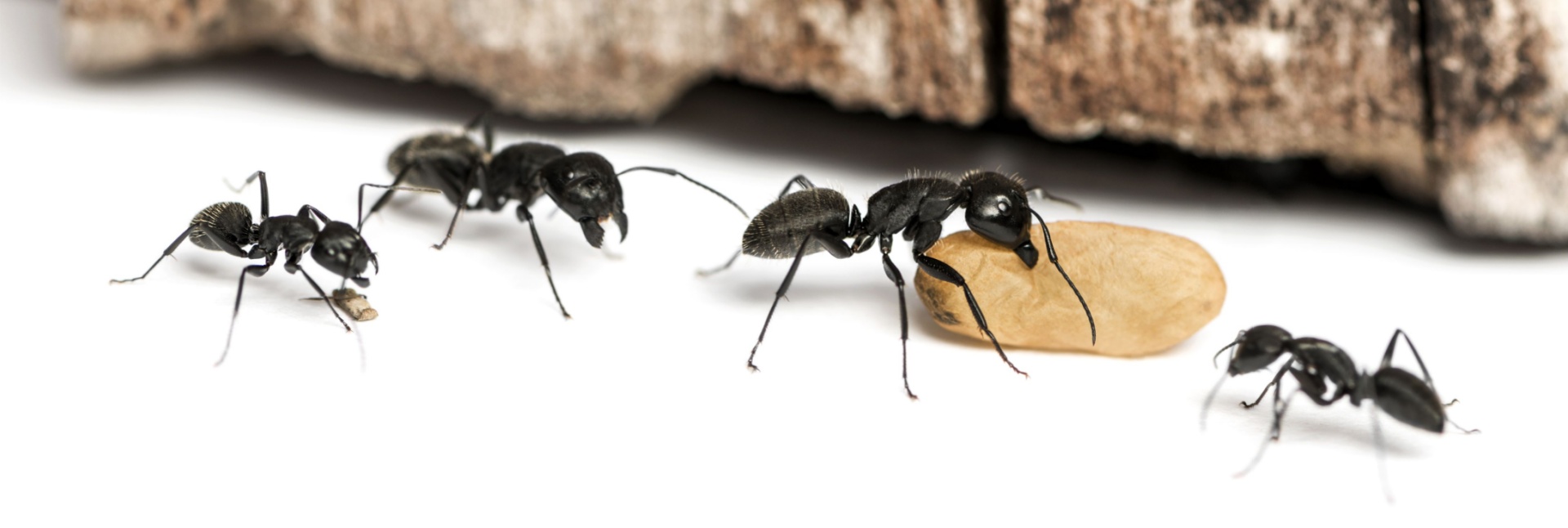
Myrtle Beach’s charm isn’t just irresistible to tourists—it’s also a magnet for ants. The combination of warm temperatures, high humidity, and sandy soil creates a perfect storm for unwanted activity in coastal homes. If you’ve noticed tiny invaders marching through your kitchen or yard, you’re not alone. Ant infestation in Myrtle Beach is a year-round concern for homeowners, especially those living near the coast.
Why Coastal Homes Are a Hotspot for Ants
1. Humid Climate
South Carolina’s coastal humidity isn’t just uncomfortable for humans—it’s a paradise for ants. High moisture levels help ants regulate their body temperature and maintain the integrity of their nests. After storms or heavy rainfall, ants often seek higher ground, which can lead them straight into your home. Kitchens, bathrooms, and basements become prime targets as ants search for dry shelter and reliable water sources.
2. Sandy Soil and Easy Nesting
The loose, granular soil common in Myrtle Beach makes it incredibly easy for ants to dig and expand their colonies. Unlike clay or rocky terrain, sandy soil allows ants—especially fire ants—to build complex tunnel systems and large mounds with minimal resistance. These nests can grow rapidly and often go unnoticed until they’re well-established, making early intervention critical.
3. Year-Round Warmth
Myrtle Beach’s mild winters mean ants don’t experience the seasonal die-off seen in colder climates. Instead of going dormant, they remain active, foraging and expanding their colonies throughout the year. This constant activity increases the likelihood of infestations, especially during transitional seasons when ants are most aggressively seeking food and shelter.
4. Abundant Food Sources
Coastal living often comes with outdoor dining, beach picnics, and backyard gatherings—all of which leave behind food remnants that attract ants. Even small crumbs or sugary spills can draw large numbers of pavement ants or sugar ants. Pet food bowls, compost bins, and unsecured trash cans also serve as buffet lines for these persistent pests.
5. Structural Vulnerabilities
Homes near the coast are often exposed to salt air, humidity, and shifting foundations—all of which can weaken building materials over time. Cracks in siding, gaps around windows, and deteriorating wood provide easy access for carpenter ants and other species. Once inside, these ants don’t just forage—they excavate, hollowing out wood and compromising structural integrity if left unchecked.
6. Dense Vegetation and Landscaping
Lush coastal landscaping, while beautiful, can also be a haven for ants. Dense shrubs, mulch beds, and overgrown foliage offer shelter and moisture, creating ideal conditions for colonies to thrive just steps from your foundation. Without regular trimming and maintenance, these areas can become launchpads for indoor infestations.
7. Proximity to Water Sources
Living near the ocean or marshlands means your home is surrounded by natural water sources—something ants instinctively seek out. Whether it’s condensation from air conditioning units, outdoor showers, or irrigation systems, these damp zones can attract ants and encourage nesting nearby. Once established, colonies often expand toward the home in search of food and shelter.
8. Frequent Human Activity
Coastal homes often host more foot traffic—whether it’s guests, renters, or seasonal visitors. Increased activity means more opportunities for food spills, open doors, and disrupted landscaping, all of which can invite ants inside. High turnover in vacation properties can also delay detection and treatment, allowing infestations to grow unchecked.
Signs You’re Hosting Unwanted Guests
Ants don’t always announce their arrival. Here are some subtle signs that ants may be nesting nearby:
- Trails of ants leading to food or water
- Small piles of sawdust (a sign of carpenter ants)
- Ant mounds in your yard or garden
- Rustling sounds in walls or ceilings
- Discarded wings near windows or doors
- Tiny cracks filled with soil or debris near baseboards (a sign of nesting)
These signs often go unnoticed until the infestation becomes difficult to manage. Early detection is key—addressing these indicators promptly can prevent ants from establishing larger colonies inside your home.
Best Ways to Prevent Ants in Myrtle Beach Homes
Prevention is the first line of defense. Here’s how to make your home less appealing to ants:
- Seal cracks and gaps around windows, doors, and foundations
- Store food in airtight containers and clean up spills immediately
- Fix leaky pipes and eliminate standing water
- Trim vegetation away from your home’s exterior
- Schedule regular inspections with South Carolina ant exterminators
- Keep pet food bowls clean and avoid leaving them out overnight
- Use weather stripping to close gaps around doors and windows
Implementing these strategies consistently can significantly reduce your risk of ant infestations. Coastal homes face unique challenges, but with a proactive approach, you can maintain a pest-free environment year-round.
Eco-Friendly Ant Control in Myrtle Beach
Concerned about harsh chemicals? You’re not alone. Many homeowners are turning to eco-friendly ant control in Myrtle Beach to protect their families and the environment. Solutions like bait stations, diatomaceous earth, and essential oil repellents offer safer alternatives to traditional sprays.
These methods don’t just reduce chemical exposure—they also support long-term prevention. For example, botanical-based treatments can disrupt ant pheromone trails without harming beneficial insects or pets. When applied strategically, they create invisible barriers that deter ants from entering your home while preserving the surrounding ecosystem.
Eco-friendly pest control also includes smarter inspection and monitoring techniques. Instead of blanket spraying, professionals use targeted applications based on ant behavior, nesting patterns, and seasonal activity. This precision reduces waste, minimizes environmental impact, and delivers results that are both effective and sustainable.
At Team Veterans Pest Control, we prioritize eco-friendly solutions that are safe for children, pets, and South Carolina’s natural beauty. Our team uses proven methods that balance effectiveness with responsibility—giving homeowners peace of mind without compromising safety.
When Ants Dig In, It’s Time to Call Us
Coastal homes offer ants everything they need to thrive—moisture, shelter, and endless entry points. Once colonies settle in, they often expand beneath the surface, making it difficult to eliminate them without a strategic, localized approach. Quick fixes might slow them down, but they rarely reach the heart of the problem or prevent future invasions.
Even the most attentive homeowners can find themselves battling recurring ant activity. In regions like Myrtle Beach, where sandy soil and humidity create ideal nesting conditions, effective control requires more than just surface-level solutions. Local expertise, paired with targeted treatments, is essential to break the cycle and keep ants from returning.
Team Veterans Pest Control is proud to be one of the most trusted professional ant exterminators near Myrtle Beach SC. We use eco-friendly methods tailored to coastal environments, delivering long-term protection without compromising safety. If you’re ready to stop ants at the source and protect your home with confidence, contact Team Veterans Pest Control today—ants won’t get past our proven protection.