
Signs You May Have a Hidden Termite Colony Under Your Myrtle Beach Home
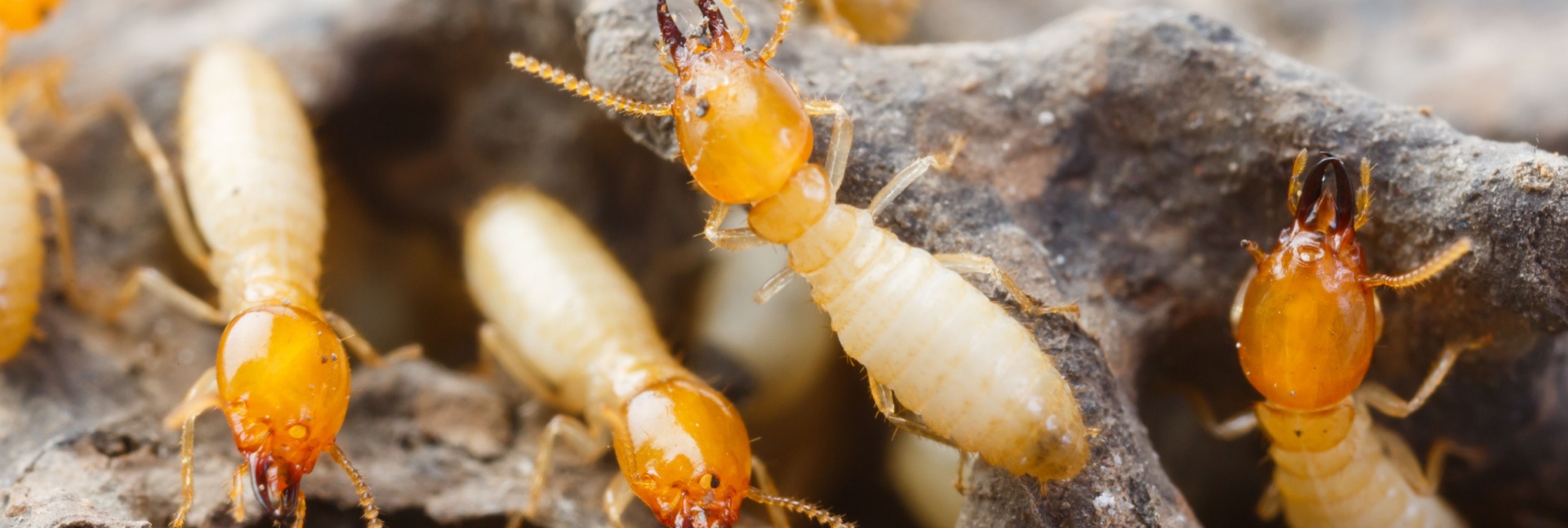
If termites are in your home right now, you won’t hear them. You won’t see them. But they’re working—tirelessly, silently, and destructively. And by the time you notice the damage, it may already be too late.
In Myrtle Beach, where moisture and wood are everywhere, hidden termite colonies can thrive undetected for months or even years. They tunnel through your foundation, hollow out support beams, and compromise the structural integrity of your home—all without a single sound. Even a faint ripple in your paint or a soft spot in your floor could be worth investigating.
This isn’t a pest problem. It’s a structural emergency waiting to happen.
So how do you know if termites are already tunneling beneath your home? These are the signs Myrtle Beach homeowners should never ignore.
1. Mud Tubes Along Foundation Walls
One of the most visible signs of subterranean termites is the presence of mud tubes. These narrow, dirt-packed tunnels are built to protect termites as they travel between their underground colony and your home’s wooden structures. You’ll often find them along foundation walls, crawl spaces, or exterior surfaces. Spotting even one tube is a clear signal that termites are active—and dangerously close.
These tubes are often mistaken for dirt streaks or dried water stains, especially in humid environments like Myrtle Beach. But unlike surface grime, mud tubes are structurally built and often extend several feet. If you break one open and see creamy-white insects inside, you’ve found your invaders.
They’re not just a sign of activity—they’re proof of commitment. Termites don’t build tubes unless they’ve already found a food source. That source might be your home’s framing, subfloor, or even furniture.
2. Hollow-Sounding Wood
Termites consume wood from the inside out, leaving behind a thin shell that can sound hollow when tapped. If you knock on baseboards, beams, or floorboards and hear a papery echo, it’s time to investigate. This kind of damage often goes unnoticed until the wood begins to crumble or collapse.
In some cases, homeowners discover hollow wood during renovations or repairs. A seemingly solid beam may fall apart with minimal pressure, revealing extensive internal damage. This is especially dangerous in load-bearing structures, where compromised wood can lead to sagging floors or roof instability.
Loose nails, screws that won’t grip, or fixtures that wobble unexpectedly can point to weakened wood. These small frustrations may be early warnings of a much larger issue.
3. Swollen Floors or Ceilings
Moisture introduced by termite activity can cause warping in floors and ceilings. If you notice bubbling, sagging, or uneven surfaces—especially in areas not prone to water leaks—termites may be to blame. Myrtle Beach’s humid climate only accelerates this kind of damage, making early detection even more critical.
Swelling may come with a musty odor, similar to damp wood or mildew. This smell is often overlooked but can be a subtle clue that termites are active nearby. If your flooring feels soft or spongy underfoot, it’s time to call in a professional.
In advanced cases, ceiling panels begin to separate from joists, or floor tiles lift unexpectedly. These structural shifts are serious and often signal long-term infestation.
4. Discarded Wings Near Windows and Doors
After swarming, reproductive termites shed their wings. These delicate, translucent remnants often collect near windowsills, door frames, or vents. If you find a pile of wings indoors, it’s likely that a colony has already established itself nearby.
Swarming typically occurs when a colony matures and seeks to expand. In Myrtle Beach, this can happen multiple times a year due to the warm climate. Finding wings indoors means termites have already breached your home’s defenses—and may be nesting inside your walls.
You might find wings caught in spider webs, tucked into attic corners, or scattered near vents. These overlooked spots can be hotspots for termite activity, especially in homes with minimal ventilation.
5. Tight-Fitting Doors and Windows
As termites eat through wood, they can cause subtle shifts in your home’s structure. Doors and windows may begin to stick or become difficult to open. While humidity can cause similar issues, persistent problems in specific areas may point to termite damage in the framing.
Over time, these shifts lead to misaligned frames, cracked molding, or gaps that invite more pests inside. If you’ve ruled out seasonal humidity and the problem persists, termites may be compromising the structural integrity around those openings.
Fresh caulking or paint around door frames—especially if you didn’t apply it—can be another clue. Sometimes previous owners or contractors patch over termite damage without addressing the root cause.
6. Peeling Paint That Mimics Water Damage
Termites introduce moisture into wood as they tunnel, which can cause paint to bubble, peel, or crack. If you notice these changes in areas not exposed to water, it’s worth investigating further. Even minor paint irregularities can be early signs of termite infestation.
This symptom is often misdiagnosed as a plumbing issue or humidity-related damage. But when paint peels in isolated spots—especially near baseboards or window frames—it’s time to consider what’s happening beneath the surface.
Faint discoloration or streaking beneath the paint may point to moisture buildup from termite activity, even before the paint begins to peel.
7. Maze-Like Tunnels Inside Wood
If you break open a piece of wood and see intricate, maze-like patterns, you’re looking at termite galleries. These tunnels are carved out as termites feed, and they’re a clear sign of active infestation. Unfortunately, by the time they’re visible, significant damage may have already occurred.
These galleries tend to be dry and dusty, with a gritty texture that crumbles easily. If you find them in furniture, flooring, or structural beams, it’s a strong indication that termites have been active for a long time—and that the colony may be well-established.
Frass—termite droppings that resemble sawdust—can appear near damaged wood. This gritty material is another sign that termites are actively feeding and expanding their territory.
The Unseen Enemy Beneath Your Foundation
South Carolina’s coastal environment is a magnet for subterranean termites. Myrtle Beach homes—with their wooden decks, crawl spaces, and older construction styles—are particularly vulnerable. Routine inspections and proactive monitoring are essential to prevent long-term damage. Even subtle shifts in your home’s structure can signal deeper issues worth investigating.
Many homes in Myrtle Beach are built on sandy soil, which retains moisture and creates ideal conditions for termite colonies to thrive underground. Combine that with frequent rainfall, high humidity, and warm temperatures, and you’ve got a perfect storm for year-round termite activity. Homes near marshes, golf courses, or wooded areas face even higher risk due to the abundance of natural termite habitats nearby.
When the Signs Point to Termites, Act Fast
Every warped floorboard, discarded wing, or hollow-sounding beam is more than a cosmetic issue—it’s a structural warning. These signs aren’t just possibilities; they’re real indicators that termites may already be active beneath your Myrtle Beach home. In a climate where termite colonies thrive year-round, early detection is critical. The longer they go unchecked, the deeper the damage runs—and the more expensive it becomes to repair.
When termites threaten your foundation, there’s no room for delay. Team Veterans Pest Control delivers focused inspections and effective treatments tailored to Myrtle Beach homes. Contact Team Veterans Pest Control now and keep your home standing strong for years to come.