
Do Ants Go Away in Winter? The Truth About South Carolina’s Climate
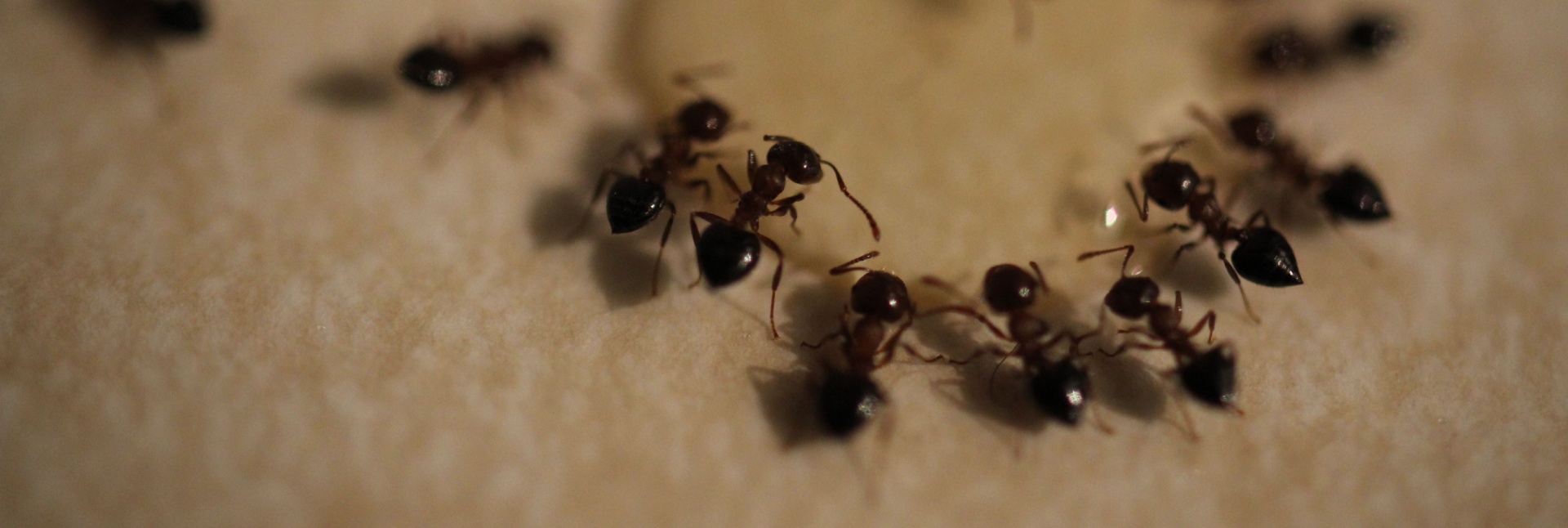
While many assume ants disappear once winter arrives, South Carolina homeowners often find that’s far from reality. Spotting a steady line of ants in the middle of January isn’t unusual here—and it’s a clear sign that cooler weather doesn’t guarantee a break from pest problems. In fact, our region’s climate allows certain pests to stay active long after the first cold snap. Seasonal shifts don’t always mean pest-free living, especially in a climate like ours.
South Carolina’s mild winters create a unique challenge for homeowners. While temperatures do drop, they rarely reach the deep freezes that force ants into full dormancy. Instead, ants in winter often shift their activity indoors, seeking warmth, food, and shelter. This behavior leads to year-round ant infestations, especially in homes with easy access points or consistent moisture.
Why Ants Stay Active in South Carolina Winters
Unlike northern states where snow and ice drive ants underground, South Carolina’s climate allows for continued movement. Here’s why:
- Mild Temperatures: With average winter highs hovering in the 50s and 60s, ants don’t face the extreme cold that typically halts their activity.
- Indoor Nesting: Heated homes provide ideal conditions for ants to nest and forage, especially in kitchens, bathrooms, and basements.
- Moisture Access: Winter rains and indoor humidity can attract ants to plumbing areas and leaky spots.
- Established Colonies: Once ants have built a colony inside your home, they’re unlikely to leave just because the calendar says it’s winter.
- Food Availability: Holiday leftovers, pantry snacks, and pet food offer a steady supply of nourishment during the colder months. Ants are opportunistic and will exploit any accessible food source, especially when outdoor options are limited.
These factors combine to create a perfect storm for winter ant activity. Rather than going dormant, ants in South Carolina adapt by shifting their behavior indoors—making your home their winter refuge. Without proper prevention, this seasonal shift can lead to persistent infestations that last well beyond the cold months.
Common Winter Ant Activity in South Carolina
You might notice:
- Ants trailing along baseboards or countertops
- Small piles of dirt or debris near entry points
- Increased sightings near sinks, tubs, or pet food bowls
- Persistent reappearance even after DIY treatments
- Activity near heating vents or radiators, where warmth attracts nesting behavior
- Clusters forming behind appliances like refrigerators or dishwashers, where moisture and heat combine
These signs suggest that ants aren’t just surviving—they’re thriving. And while it may seem like a minor nuisance, unchecked ant activity can lead to larger infestations that are harder to eliminate later.
How Ants Use Your Home’s Environment to Their Advantage
Ants are highly strategic when it comes to survival, especially during colder months. They don’t just stumble into homes—they follow scent trails, moisture gradients, and heat sources to locate ideal nesting spots. Wall voids, underfloor insulation, and even electrical outlets can become hidden passageways or shelter zones that support their colonies through winter.
Once inside, ants communicate through pheromones to guide others toward food and safe harborage areas. What starts as a few scouts can quickly escalate into a full-blown infestation. South Carolina’s climate plays a major role in this behavior, offering just enough warmth and humidity to keep ant activity going even when outdoor conditions shift.
The combination of mild outdoor temperatures and cozy indoor environments creates a dual habitat that supports uninterrupted movement and nesting. Without proactive prevention, ants will continue to treat your home as their own—especially when outdoor options become less favorable and indoor conditions remain inviting.
Ant Prevention Tips for Winter
To reduce winter ant activity and prevent infestations, consider these strategies:
- Seal Entry Points: Caulking cracks around windows, doors, and foundations helps block the tiny gaps ants use to enter your home. Pay close attention to areas where utility lines or pipes enter the house, as these are common access routes for pests seeking warmth.
- Fix Leaks: Moisture is a magnet for ants, especially in cooler months when they’re drawn to indoor water sources. Repairing leaky faucets, pipes, and rooflines not only deters ants but also prevents mold and other pest-related issues from developing.
- Store Food Properly: Ants are relentless foragers, and even small crumbs can attract them. Keep pantry items in sealed containers, wipe down surfaces after meals, and avoid leaving food out overnight—especially sweets and starches that ants love.
- Limit Pet Food Exposure: Pet bowls are a frequent target for ants during winter. Feed pets at designated times and clean up immediately afterward. Consider placing bowls on ant-proof mats or using elevated feeders to reduce ground-level access.
- Clean Regularly: Routine cleaning is essential to remove scent trails and food particles that attract ants. Focus on high-traffic areas like kitchens, bathrooms, and laundry rooms, and don’t forget to vacuum under appliances and furniture where crumbs may hide.
- Inspect Firewood: Firewood piles can harbor ant colonies and other pests. Store wood at least 20 feet from your home and off the ground. Before bringing logs inside, inspect them thoroughly to avoid introducing unwanted guests into your living space.
- Schedule a professional inspection with Team Veterans Pest Control: Our expert technicians can identify early signs of ant activity before they escalate, using targeted strategies tailored to South Carolina’s climate. Early detection not only prevents full-blown infestations but also saves you time, stress, and long-term costs.
When Winter Isn’t a Break from Ants
South Carolina’s mild winters don’t stop ants—they simply change their strategy. Instead of going dormant, they shift their activity indoors, using your home’s warmth, moisture, and food sources to stay active and expand their colonies. If you’re seeing movement in the colder months, it’s not random—it’s a sign that your home has become part of their year-round plan.
Team Veterans Pest Control takes a climate-conscious approach to pest management, using targeted treatments designed for South Carolina’s seasonal conditions. Our technicians focus on long-term prevention, identifying the subtle environmental factors that allow ants to thrive indoors. Whether you’re dealing with winter activity or preparing for spring, we’re here to keep your home protected with safe, effective solutions. Contact us today to schedule your winter inspection and keep seasonal ant activity from settling into your home.