
Palmetto Bugs vs. Cockroaches: What Myrtle Beach Homeowners Need to Know
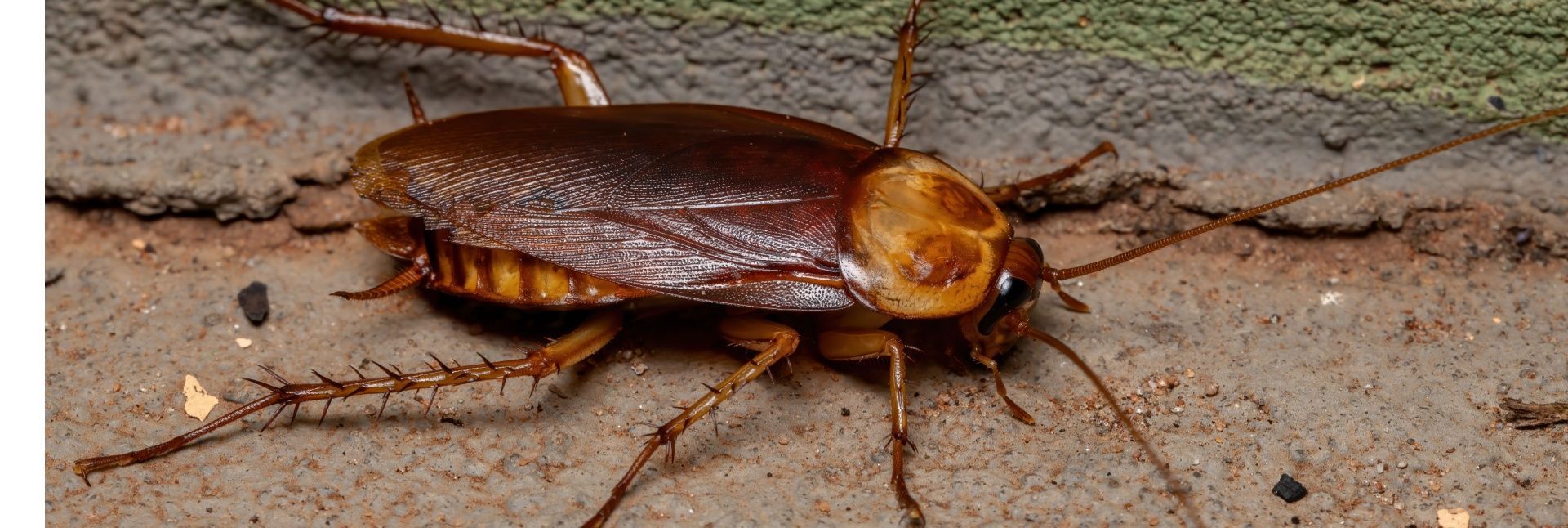
Myrtle Beach residents often use “palmetto bug” and “cockroach” interchangeably, but understanding the distinction between these pests helps implement appropriate control strategies and set realistic expectations. The term “palmetto bug” in South Carolina typically refers to the American cockroach, though locals sometimes use it for any large roach species. Regardless of terminology, these insects create significant concerns for homeowners requiring effective management. Team Veterans’ cockroach control services address all roach species affecting Myrtle Beach properties.
Understanding the Terminology
The confusion surrounding “palmetto bugs” versus “cockroaches” stems from regional language preferences and the desire to distance local insects from the negative associations “cockroach” carries:
“Palmetto bug” is a colloquial Southern term used primarily in South Carolina, Georgia, and parts of Florida. The name supposedly derives from these large roaches’ habit of hiding in palmetto trees and vegetation, though this etymology isn’t definitively established.
American cockroach is the scientific and pest control industry term for the species most commonly called “palmetto bugs” in Myrtle Beach. These are the large, reddish-brown roaches that fly and occasionally wander into homes from outdoor environments.
Other roach species in Myrtle Beach including German cockroaches, Oriental cockroaches, and smoky brown cockroaches are all true cockroaches that sometimes get lumped under “palmetto bug” when they’re large, though technically the term should refer specifically to American cockroaches.
Physical Characteristics of American Cockroaches
Understanding what American cockroaches—the true “palmetto bugs”—actually look like helps with identification:
Size makes American cockroaches among the largest roach species, typically 1.5 to 2 inches long when fully grown. This substantial size is one reason they’re so alarming when encountered indoors.
Coloring ranges from reddish-brown to dark brown, with a distinctive yellowish figure-eight pattern on the pronotum (the shield-like covering behind the head).
Wings are fully developed in adults, covering the entire abdomen. American cockroaches are capable fliers, particularly when temperatures are warm, though they more often run or glide short distances rather than engaging in sustained flight.
Body shape is oval and flattened, allowing these roaches to squeeze into surprisingly tight spaces despite their large size.
Antennae are long and thread-like, extending well beyond the body length.
American Cockroach Behavior Patterns
Knowing how these “palmetto bugs” behave informs control strategies:
- Outdoor preference means American cockroaches primarily live outside in Myrtle Beach’s humid climate. They thrive in mulch, under leaves, in tree bark crevices, around foundations, and in other protected outdoor locations with moisture.
- Indoor infiltration occurs opportunistically rather than because American cockroaches prefer living inside. They wander indoors accidentally, enter seeking moisture during dry periods, or come inside when outdoor temperatures become uncomfortable.
- Moisture dependence drives much of their behavior. American cockroaches need water and seek areas with high humidity or standing water. This explains why they’re often found in bathrooms, kitchens, basements, or areas with plumbing leaks.
- Nocturnal activity means these roaches are most active at night, hiding in dark, secluded locations during daylight hours. Seeing them during the day is unusual and might indicate population pressures forcing some individuals into less-preferred conditions.
- Diet variety allows American cockroaches to consume almost any organic material including food scraps, garbage, book bindings, leather, hair, dead insects, and decaying plant matter.
German Cockroaches: The True Indoor Pest
While American cockroaches are the “palmetto bugs” occasionally wandering inside, German cockroaches represent far more serious indoor infestation threats:
Smaller size at only 1/2 to 5/8 inch long makes German cockroaches less dramatic than palmetto bugs but more problematic for homeowners.
Light brown coloring with two dark parallel stripes on the pronotum distinguishes German cockroaches from the larger, darker American cockroaches.
Indoor dependency means German cockroaches live their entire lives inside structures. They don’t survive well outdoors in most climates and have adapted specifically to human environments.
Rapid reproduction allows German cockroach populations to explode. Females produce egg cases containing 30-40 eggs every few weeks, meaning small infestations become major problems within months.
Difficulty eliminating German cockroach infestations requires professional intervention. DIY attempts rarely succeed because populations hide in numerous locations throughout structures and reproduce faster than homeowners can kill them.
Why the Distinction Matters
Understanding whether you’re dealing with American cockroaches (“palmetto bugs”) or German cockroaches affects control approaches:
American cockroach control focuses heavily on exterior treatment reducing outdoor populations around your property, sealing entry points preventing indoor access, eliminating moisture sources attracting them indoors, and addressing occasional indoor individuals.
German cockroach control requires intensive interior treatment targeting all areas where populations hide, baiting strategies allowing roaches to carry insecticide back to harborage areas, growth regulators preventing successful reproduction, and follow-up treatments eliminating surviving populations.
Realistic expectations differ—keeping American cockroaches out is achievable with good exclusion and exterior treatment, while eliminating established German cockroach infestations requires sustained professional effort.
Other Roach Species in Myrtle Beach
Beyond American and German cockroaches, several other species appear occasionally:
- Oriental cockroaches are large, very dark (almost black) roaches that prefer cool, damp environments. They’re sometimes found in basements, crawl spaces, or around floor drains.
- Smoky brown cockroaches are mahogany-colored roaches similar in size to American cockroaches. They’re strong fliers and live primarily outdoors in vegetation and mulch.
- Wood roaches occasionally enter homes from wooded areas. These roaches don’t establish indoor infestations and are more nuisance visitors than serious pests.
Where “Palmetto Bugs” Come From
American cockroaches enter Myrtle Beach homes through various pathways:
Gaps and cracks in foundations, around door frames, at utility penetrations, and anywhere structures have openings allow these flattened roaches to squeeze inside.
Sewer connections provide access for American cockroaches living in sewer systems. They can travel through drain pipes and emerge through floor drains or toilet connections, particularly in lower-level bathrooms.
Firewood and stored materials harboring roaches outside get brought indoors inadvertently.
During rain or weather changes American cockroaches seek shelter, sometimes entering structures they normally wouldn’t infiltrate.
Attracted to lights at night, these roaches may gather near exterior lights and enter through doors when they’re opened.
Prevention Strategies
Keeping American cockroaches (“palmetto bugs”) out requires different approaches than preventing German cockroach infestations:
- Exterior perimeter treatment creates barriers around your home preventing American cockroaches from approaching. Professional treatment of foundations, entry points, and the ground around structures provides significant protection.
- Sealing entry points eliminates access routes. Pay attention to gaps under doors, foundation cracks, spaces around utility lines, damaged weatherstripping, and torn screens.
- Moisture management reduces attraction. Fix leaking plumbing, ensure proper drainage around foundations, maintain gutters, and eliminate standing water.
- Sanitation both inside and outside helps. Remove leaf litter and mulch from near foundations, keep firewood away from structures, maintain clean kitchens, and properly store garbage.
- Outdoor habitat reduction decreases populations around your property. Minimizing mulch, keeping vegetation trimmed away from structures, and reducing moist harborage areas all help.
Common Misconceptions
Several misunderstandings about palmetto bugs and cockroaches confuse Myrtle Beach homeowners:
“Palmetto bugs aren’t really cockroaches” is false. American cockroaches are absolutely true cockroaches regardless of what regional terminology calls them.
“Clean homes don’t get roaches” isn’t entirely true. While sanitation matters, American cockroaches primarily live outdoors and may enter even well-maintained homes opportunistically.
“One roach means infestation” overstates the situation for American cockroaches. A single wanderer doesn’t necessarily indicate breeding populations inside your home.
“All big roaches are palmetto bugs” isn’t accurate. Several large roach species exist, and identifying which you have helps determine appropriate control strategies.
Health and Safety Concerns
Regardless of terminology, cockroaches of any species create legitimate concerns:
Disease transmission potential exists as cockroaches carry bacteria, pathogens, and parasites on their bodies and in their droppings.
Allergens from cockroach droppings, shed skins, and body parts trigger asthma and allergy symptoms, particularly in children.
Contamination of food preparation surfaces, stored food, and dishes occurs when cockroaches travel through these areas at night.
Psychological stress from cockroach encounters affects many people regardless of actual health risks.
Professional Control Advantages
Professional pest control addressing cockroach problems provides several benefits:
- Correct identification of which roach species you have ensures appropriate treatment approaches.
- Comprehensive treatment addresses both interior and exterior populations using products and methods appropriate for target species.
- Ongoing monitoring detects whether control strategies are working and adjusts approaches if needed.
- Prevention focus maintains protection preventing future problems rather than just reacting to current situations.
The Bottom Line
Whether you call them palmetto bugs, American cockroaches, or just “those big roaches,” these insects are cockroaches requiring effective management. Understanding the differences between American cockroaches that wander in from outside and German cockroaches that establish serious indoor infestations helps implement appropriate responses.
Don’t let terminology confusion prevent you from addressing cockroach problems effectively. Contact Team Veterans Pest Control for professional roach control treating all species affecting your Myrtle Beach home, whether you call them palmetto bugs or cockroaches.