
Why Termites Are a Year-Round Threat in Coastal South Carolina
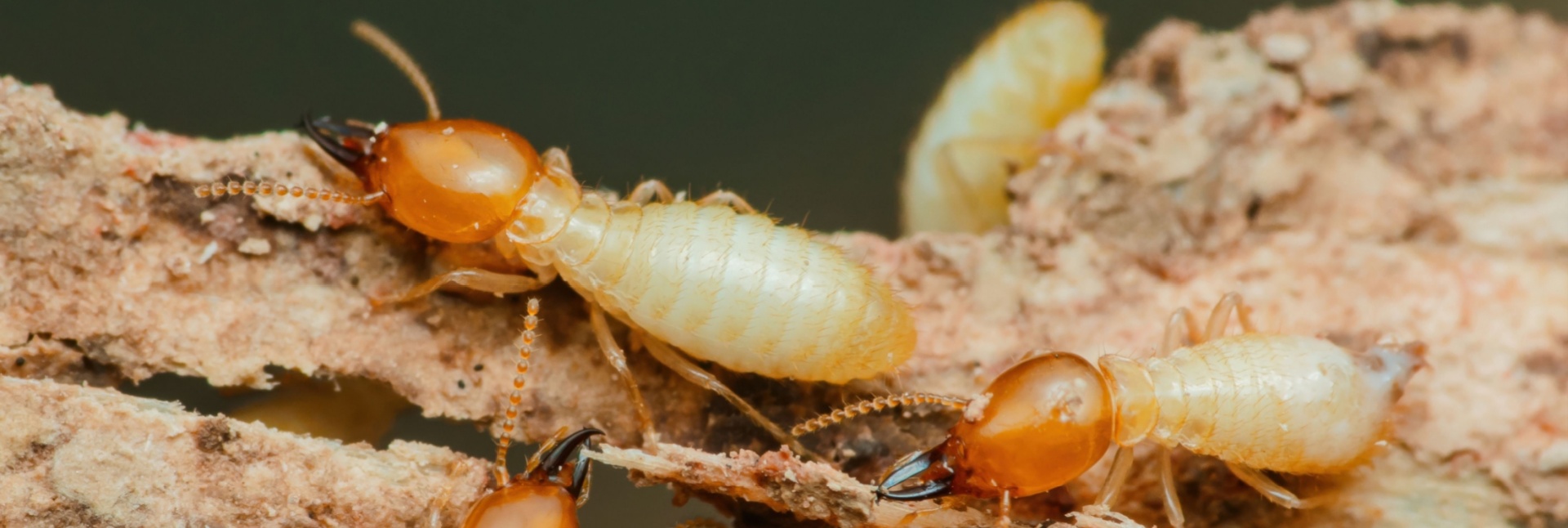
Most homeowners believe termites are only a springtime problem—something to worry about when the weather warms and swarms appear. That’s a myth. In South Carolina’s coastal regions, termites don’t follow the rules of the calendar. They’re active all year, quietly chewing through wood, insulation, and even drywall while you’re busy preparing for holidays or hurricane season.
Vulnerability to termite damage isn’t tied to the calendar. With conditions ripe for infestation year-round, termite inspection in South Carolina should be part of every homeowner’s maintenance plan.
Moisture, Warmth, and Wood—A Coastal Invitation to Termites
South Carolina’s coastal regions—especially Charleston, Myrtle Beach, and surrounding communities—offer a climate that’s tailor-made for termites. The combination of high humidity, sandy soil, and consistently mild temperatures creates ideal conditions for subterranean colonies to thrive. Unlike colder inland areas where termite activity slows in winter, coastal termites remain active year-round, feeding and expanding beneath homes without pause.
Moisture plays a critical role in termite survival, and coastal environments provide it in abundance. Frequent rainfall, elevated water tables, and shaded foundations contribute to damp soil conditions that allow termites to build extensive tunnel networks. Homes with crawl spaces, wood siding, or poor drainage are particularly vulnerable, as these features create easy access points and long-term shelter for colonies.
This uninterrupted activity means homeowners can’t rely on seasonal changes to suppress infestations. Termites in coastal homes don’t hibernate—they continue damaging structural wood, insulation, and even drywall throughout the year. Without consistent monitoring and tailored treatment, a single colony can quietly cause thousands of dollars in damage before it’s even detected.
What Termites Leave Behind—Before You See the Damage
One of the most frustrating aspects of termite infestations is how easily they go unnoticed. Unlike ants or cockroaches, termites rarely make themselves visible until the damage is done. In coastal homes, where moisture and wood are abundant, termites can quietly tunnel through structural beams, subfloors, and even furniture without leaving obvious clues.
Homeowners might notice sagging floors, peeling paint that resembles water damage, or hollow-sounding wood—but by then, the infestation may be well established. That’s why early detection through professional inspection is critical. Coastal termite threat isn’t just about presence—it’s about persistence and stealth.
The Long-Term Cost of Inaction
Delaying termite control in South Carolina can lead to more than just structural headaches—it can impact property value, resale potential, and long-term safety. Termite damage often compromises foundational integrity, making homes less appealing to buyers and more expensive to maintain. And because termites work silently, the damage tends to accumulate before it’s even discovered.
What many homeowners don’t realize is that most insurance policies don’t cover termite-related repairs. That means the financial burden falls entirely on the property owner. Depending on the severity, costs can range from minor fixes to full structural restoration—especially in coastal homes where conditions accelerate termite activity.
For families living in high-risk zones like Charleston and Myrtle Beach, the cost of inaction often outweighs the investment in prevention. Partnering with a provider that understands the local environment and offers customized solutions—like Team Veterans Pest Control—can save homeowners from future financial strain and give them peace of mind year-round.
Why Seasonal Treatments Aren’t Enough
Many pest control plans focus on seasonal spikes, but termites don’t play by those rules. They don’t hibernate. They don’t migrate. They simply keep feeding, tunneling, and expanding their colonies beneath your home. That’s why termite control in South Carolina must be proactive and continuous.
Here’s what makes termites in coastal homes especially dangerous:
- Moisture-rich soil that accelerates colony growth
- Wooden crawl spaces and foundations common in older beachside homes
- Mild winters that allow uninterrupted feeding
- Hidden damage that often goes unnoticed until repairs are costly
- Insurance gaps—most policies don’t cover termite damage
- Rapid spread—a single colony can contain millions of termites
- Structural risk—they compromise beams, joists, and load-bearing walls
Prevention Is Protection
Termite prevention SC homeowners trust starts with awareness and ends with action. Whether you live in a historic Charleston home or a modern Myrtle Beach condo, the strategy is the same: eliminate moisture, block entry points, and schedule regular inspections with coastal pest control experts who understand the terrain.
Smart prevention steps include:
- Installing moisture barriers and improving drainage
- Sealing cracks around plumbing and utility lines
- Keeping mulch and wood debris away from the foundation
- Using bait stations and liquid treatments tailored to your property
- Scheduling annual inspections with a local provider who knows coastal termite behavior
Responding to a Threat That Doesn’t Take Time Off
In South Carolina’s coastal zones, termites aren’t seasonal guests—they’re permanent residents. The climate gives them everything they need to thrive, and unless your home is actively protected, it’s always at risk. That’s why termite control here isn’t about reacting to swarms—it’s about anticipating them, intercepting them, and staying one step ahead.
Coastal homes require more than routine pest control—they require insight. Team Veterans Pest Control begins with a full assessment of your property’s vulnerabilities, from damp soil to exposed wood. We’ve seen how quickly termites can turn small oversights into major repairs, and we’re trained to intervene before that happens. The approach is shaped by military discipline and a deep respect for the homes we protect.
So whether your home sits near the marshes of Charleston or the dunes of Myrtle Beach, termites are already working overtime. Reach out to Team Veterans Pest Control to build a defense that’s just as relentless—smart, local, and built for the long haul.