
Carpenter Ants vs. Termites: How to Tell the Difference in Your Charleston Home
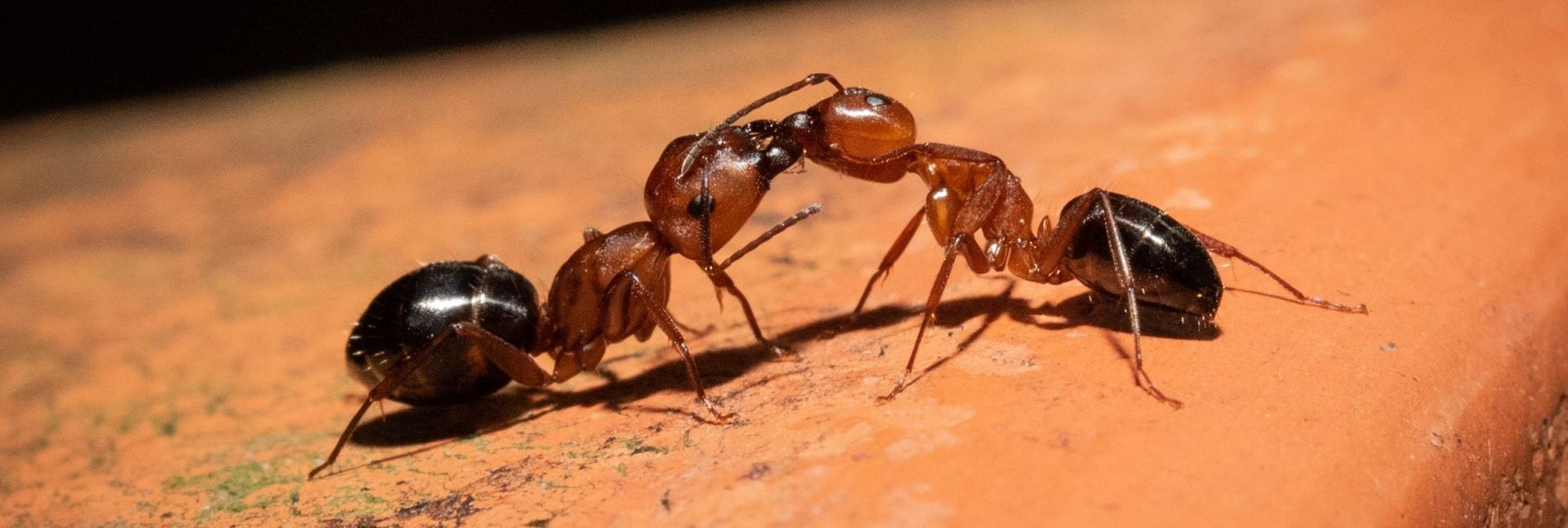
Charleston homeowners know that South Carolina’s warm, humid climate is a magnet for wood-destroying pests. While both carpenter ants and termites can silently wreak havoc on your home’s structure, understanding the difference between them is crucial for protecting your property. Carpenter ants in Charleston homes are often found tunneling through softened wood near foundation walls or leaking fixtures, making early identification essential.
Breaking Down the Misidentification
At a glance, carpenter ants and termites may seem similar—they both invade wood and can cause serious structural damage. But their behavior, appearance, and the type of destruction they leave behind are distinctly different. Knowing how to tell the difference between termites and ants helps Charleston homeowners take swift, informed action before the damage escalates.
One of the main reasons homeowners confuse carpenter ants with termites is the presence of winged swarmers during mating season. Both pests release reproductive members that look similar at a glance—dark-colored bodies with wings—but a closer inspection reveals key differences. Termites have straight antennae, uniform wings, and a thick waist, while carpenter ants feature bent antennae, uneven wing lengths, and a noticeably narrow waist. Spotting these distinctions early can help Charleston residents avoid misdiagnosis and choose the right treatment strategy.
Carpenter Ants: The Excavators
Carpenter ants don’t eat wood—they carve through it to build their nests. These large, black or reddish ants prefer moist, decaying wood and often target areas around windows, roofing, and plumbing. Their tunnels are smooth and clean, almost polished, and they leave behind small piles of wood shavings known as frass.
Signs of Carpenter Ants in Charleston Homes:
- Frass (wood shavings) near baseboards or window frames
- Rustling sounds inside walls, especially at night
- Winged ants emerging indoors during spring
- Hollow-sounding wood when tapped
- Ant trails along walls, foundations, or tree branches
- Nesting in damp areas like crawl spaces or under sinks
- Visible damage around rooflines or attic beams
Termites: The Silent Feeders
Unlike carpenter ants, termites consume wood as their primary food source. They’re stealthy, persistent, and often go unnoticed until significant damage has occurred. Subterranean termites are especially common in Charleston, thriving in the region’s moisture-rich soil and attacking homes from below.
Signs of Termites in Charleston Homes:
- Mud tubes along walls, foundations, or crawl spaces
- Hollowed-out wood with a honeycomb interior
- Swarms of winged termites near light sources
- Discarded wings around windowsills or door frames
- Bubbling or uneven paint on walls
- Sagging floors, ceilings, or door frames
- Crumbling wood around baseboards or porch posts
Termite vs. Ant Damage: What’s the Difference?
The damage caused by termites is often more extensive and harder to detect early. Their feeding weakens wood from the inside out, compromising structural integrity. Carpenter ants, on the other hand, tend to target already damaged or moist wood and create galleries that are easier to spot. If you’re unsure, scheduling a termite inspection in Charleston, SC is the smartest move.
Another key difference lies in how each pest interacts with the structure over time. Termites work silently and continuously, often for months or even years before their presence is detected, leading to widespread internal damage that compromises load-bearing elements.
Carpenter ants, while destructive, tend to be more sporadic in their activity and often target wood that’s already weakened by moisture. This means termite damage is typically more severe and costly to repair, especially in Charleston’s older homes where hidden vulnerabilities are common.
Why Fast Action Matters
Both pests can cause serious problems, but termites are especially notorious for long-term destruction. Charleston termite and ant control should never be delayed—early detection and treatment are key to avoiding costly repairs. Whether you’re dealing with frass or mud tubes, don’t wait until the damage is visible.
Delaying treatment not only allows pests to spread but also increases the likelihood of secondary issues like mold, insulation damage, and compromised electrical wiring. In Charleston’s humid climate, these problems escalate quickly, especially in crawl spaces and attics where moisture and wood-destroying insects thrive. Fast action isn’t just about pest control—it’s about preserving the long-term health and safety of your home.
When the Signs Are Clear, So Should Your Next Step Be
Whether it’s frass from carpenter ants or mud tubes from termites, the warning signs are often subtle—but they’re never meaningless. These pests compromise more than just wood; they threaten the structural integrity of your home. In Charleston’s moisture-heavy climate, even a small infestation can escalate quickly, making early action essential.
Team Veterans Pest Control offers precision-driven solutions for termite and carpenter ant infestations, backed by local expertise and military-grade discipline. Our veteran-led team uses eco-friendly treatments designed to protect your home from further damage. When carpenter ants or termites show up, reach out to Team Veterans Pest Control for expert inspection and protection.